

On December 10, 2025, Australia became the first country in the world to enforce a nationwide social media ban for users under the age of 16, requiring platforms such as Facebook, Instagram, TikTok, Snapchat, YouTube and X (formerly Twitter) to prevent under-16s from holding accounts or face fines of up to A$49.5 million (about USD $33 million).
The move has sparked global debate about online safety, youth protection and digital freedom. While the policy aims to reduce harmful online exposure for children, it also highlights a broader truth: public social media content remains valuable, and preserving it is more critical than ever.
What the Ban Does — and Doesn’t Mean
Although minors under 16 are now restricted from maintaining social media accounts in Australia, the law does not eliminate public access to online content. People over 16 and researchers alike can still view tweets, posts, videos, and discussions that are publicly available without logging in — and those pieces of content may disappear if not archived properly.
Platforms are required to remove or block under-age accounts, but they may continue to serve publicly available data even to users who aren’t logged in. This creates a shifting environment where content exists on the web, but may shift, get hidden, or be lost over time if not proactively preserved.
Why Archiving Matters More Now
1. Public Social Content Still Has Value
Even amid age restrictions, public posts, tweets, videos and commentary remain sources of trending discussions, brand sentiment and historical record. Archivlyx lets users collect and preserve this public content at scale, so it doesn’t vanish with policy changes or platform updates.
2. Policy Shifts Increase the Risk of Content Loss
When platforms undergo regulatory change, older public content can be removed or buried due to compliance, algorithm changes, or technical clean-ups. Archivlyx helps ensure you retain historical public posts before they disappear.
3. For Researchers and Analysts, the Timeline Matters
Whether tracking public discourse trends, brand mentions or sentiment shifts around policies like the social media ban, Archivlyx enables bulk downloads and archived datasets that are ready for analysis without relying on live platform APIs.
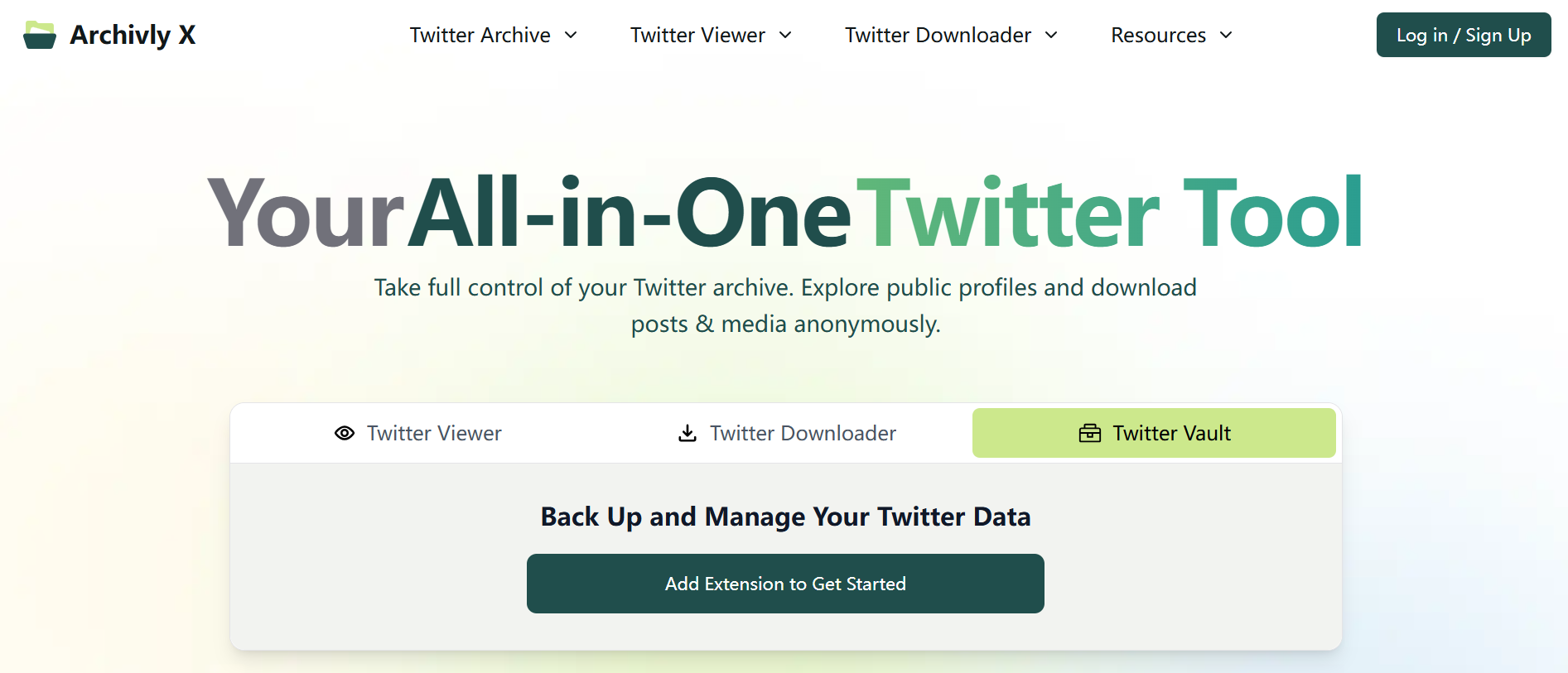
How Archivlyx Works for Public Archiving
Archivlyx offers a suite of tools designed for content preservation:
• Bulk Download Tweets and Posts: Save large sets of public content in one workflow.
• Automated Archiving: Schedule recurring crawls of public feeds or topics.
• Data Export Ready: Get CSV or JSON files for research or data analysis.
By focusing on publicly available data only, Archivlyx remains compliant with platform policies while giving users a robust way to preserve digital history.
Case in Point: Twitter’s Public Data Still Accessible
According to news reports, even with access restrictions for younger users, publicly available social media content remains visible to anyone not restricted by age policies — meaning that researchers and general users can still access it without an account.
This public content is a valuable record of social sentiment, events, and cultural discourse — exactly what Archivlyx is built to archive.
Conclusion
Australia’s social media age ban marks a significant shift in digital regulation, but it doesn’t negate the value or accessibility of public content. If anything, it underscores the importance of preserving public social media history before it’s changed or lost due to ongoing platform evolution.
With Archivlyx, users have a reliable solution to archive, collect, and secure publicly available data at scale — enabling lasting insights in a shifting digital landscape.


