

For creators, brands, and marketers, understanding follower changes on X (Twitter) has become just as important as growing the follower count itself. Numbers alone rarely explain why an account is gaining traction—or why engagement suddenly drops.
So that's why many users search for a Twitter follower tracker: not to chase vanity metrics, but to better understand audience behavior over time.
What a Twitter Follower Tracker Actually Does
A Twitter follower tracker is designed to record follower changes over time and present them in a way that helps you understand growth patterns, retention, and audience quality.
X itself shows only a live follower count. Once that number changes, the platform does not provide historical context. A follower tracker fills this gap by keeping a timeline of changes, allowing you to review how your audience evolves instead of relying on memory or screenshots.
This historical perspective is the core reason follower trackers exist.
Why People Look for a Twitter Follower Tracker
Most users searching for this term are trying to answer very practical questions.
They want to understand whether new content is attracting the right audience, whether recent posts or campaigns caused unfollows, and whether follower growth aligns with engagement. In many cases, they are also trying to identify whether inactive or suspicious accounts are diluting their audience quality.
A follower tracker doesn’t promise shortcuts to growth. Instead, it provides clarity—showing patterns that are otherwise invisible when looking only at daily follower totals.
What a Follower Tracker Can and Cannot Show
It’s important to understand the realistic limits of any Twitter follower tracker.
Legitimate tools track publicly available data and begin collecting history only after tracking starts. It means no tool can accurately reconstruct past follower changes before it was enabled. Likewise, claims about revealing “profile viewers” or “secret stalkers” are not supported by X and should be treated with caution.
A reliable tracker focuses on change over time, not speculative data.
How Follower Tracking Helps You Make Better Decisions
Follower data becomes valuable when it is connected to context.
By observing changes over time, you can correlate growth or decline with posting frequency, content themes, collaborations, or external campaigns. For brands and creators, this often reveals that short-term spikes don’t always translate into long-term audience value, while steady growth tends to align better with engagement.
Tracking also helps surface warning signs early—such as sudden unfollow patterns or stagnant growth—before they impact overall account health.
Audit Tools vs. Ongoing Follower Tracking
Some tools focus primarily on auditing follower quality at a single point in time. can be useful for quick assessments, especially when evaluating fake or inactive followers.
However, many users eventually realize that one-time audits don’t explain movement. Ongoing follower tracking provides a broader view, showing how an audience changes and whether corrective actions are actually working.
Understanding this difference helps users choose tools that match their long-term goals rather than short-term checks.
Using ArchivlyX to Track Follower Changes Over Time
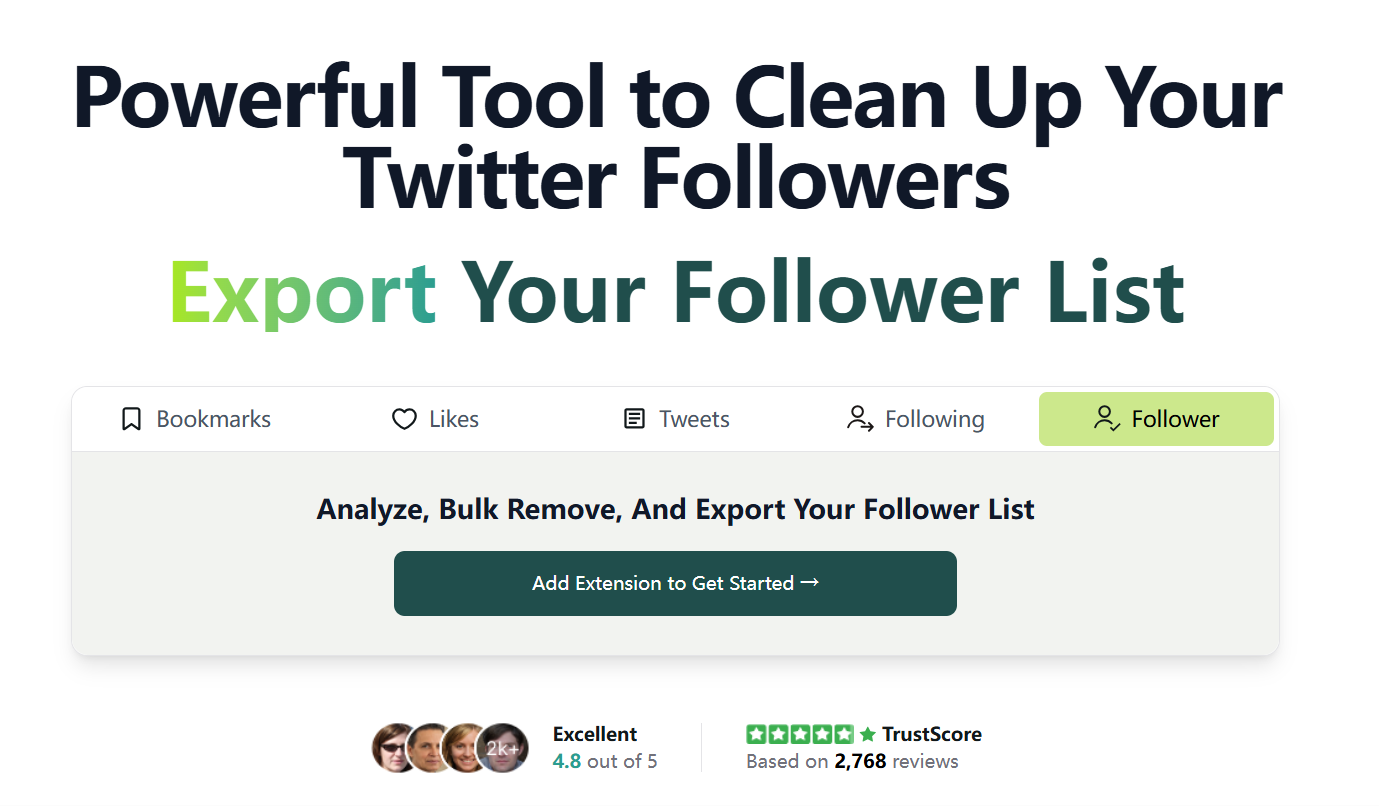
For users who want ongoing visibility rather than one-off checks, ArchivlyX’s Twitter Follower Manager is built to support continuous follower tracking and analysis.
Instead of focusing on a single snapshot, ArchivlyX helps you observe how follower data evolves over time and provides a structured way to review and work with that data when needed.
If you’re interested in learning how follower tracking can support better audience decisions, you can explore the tool here:
https://www.archivlyx.com/twitter/follower-manager
Final Thoughts
A Twitter follower tracker is not about obsessing over daily numbers. Its real value lies in context, helping you understand why changes happen and what they mean for long-term growth.
When follower data is viewed over time rather than in isolation, it becomes a practical signal for content strategy, audience quality, and account health. Choosing the right tracker depends on whether you want quick audits or sustained insig.


