To cite a tweet, collect the author, handle, publication date, post text, and direct post URL before formatting the reference. APA uses the post's first 20 words as its title, with a description such as [Post]. MLA builds a works-cited entry from the author, the post text or an appropriate title, the platform, the date, and the URL.
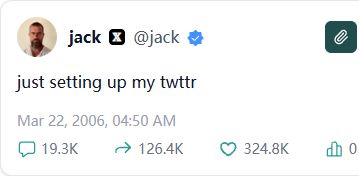
The small details become easier when you work from one source card. Here we use a short historical post, jack's “just setting up my twttr,” available at its original post URL. Its five-word text lets us show complete examples without replacing the source with a long quotation.
Make a source card before formatting
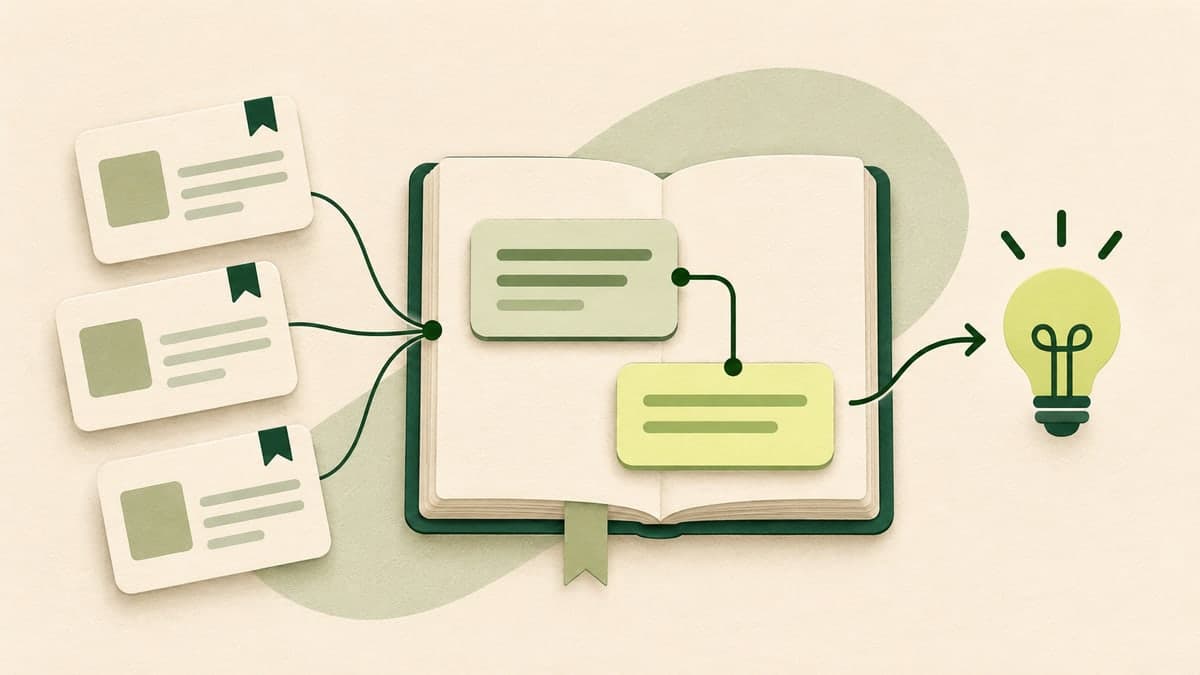
Put the information in a note beside the material you intend to use. Record the displayed author name and handle separately. Copy the URL of the individual post, rather than the profile, a search page, or a screenshot hosted elsewhere.
For this example, the card contains the author label jack, the handle @jack, the text quoted above, and the post identifier 20. The publication timestamp is March 21, 2006 at 20:50 UTC. That timestamp is a useful check when the same post appears with a different calendar date in a local interface.
We opened the link in the Archivlyx Tweet Viewer on November 13, 2026 and checked the returned author, handle, and text. In this browser, the product displayed March 22 at 04:50. The eight-hour offset crosses midnight. Resolve that difference before choosing a date for a reference, and keep the timestamp basis in your working note.
You can use the same card for a paper, a slide, or a research note. The reference format changes with the destination, while the source details remain available for another person to check.
Build the APA reference
The current APA examples for X provide the format for posts and profiles. For a post, the author comes first, followed by the handle in square brackets, the date, the title, a bracketed description, the platform, and the URL.
Using the displayed author name in our short example, the reference reads as follows.
jack [@jack]. (2006, March 21). just setting up my twttr [Post]. X. https://x.com/jack/status/20
The text is short enough to use in full. For a longer post, APA's current instructions use its first 20 words for the title. Preserve the spelling, capitalization, and other relevant characters in that title. Include the appropriate bracketed description when a post contains an image, video, or other attached material, following APA's example for that type.
For an in-text reference to this author, the author-date form is (jack, 2006). If you discuss a longer passage, follow the locator guidance required for your assignment and the material available. A post does not acquire page numbers just because you place a screenshot of it on a page.
The name used in the reference should match the author you have identified. If a reliable source establishes a fuller personal name and your style instructions call for it, use that consistently. Avoid guessing a person's legal name from a handle or a badge.
Build the MLA entry
The MLA Style Center's guidance on social media applies its core elements to the particular post. For this short text-only example, a works-cited entry can use the complete text as the title.
jack. “just setting up my twttr.” X, 21 Mar. 2006, https://x.com/jack/status/20.
An in-text reference generally points readers to the author heading in the works-cited list. With this example, that can be (jack), depending on how you have introduced the author in the sentence. Follow your institution's required edition and instructions for details such as punctuation, platform naming, and handles.
A post published before the platform's name change can also raise a container-naming choice. Use the convention your style guide or editor requires, and apply it consistently. Keep the original URL and source date available so a platform-label decision does not obscure which item you used.
Cite the item that supports the sentence
If your sentence discusses what someone posted, cite that particular post. A profile URL does not identify the passage. MLA's profile guidance also distinguishes a general mention of an account from a reference to one of its specific posts.
For a thread, decide which post contains the material you quote or paraphrase. Each post has its own URL. If a later reply supplies the qualification that makes a claim accurate, preserve that reply too. The thread research workflow shows how to retain the sequence before writing a summary.
For a screenshot, keep the source URL beside the image. A crop can help a reader see the relevant line, but it can also remove the author's name, a date, or the surrounding conversation. The citation should let readers return to the identified item and understand what you selected.
Check the finished reference once
Open the URL from the completed reference. Compare the author and handle with your source card, then check the date and the exact passage you used. Look for a publication-date versus access-date mix-up, especially when your browser uses another time zone.
If the post has become unavailable, record that observation and follow your style guide's treatment of the material you actually consulted. A saved image or note can preserve your working evidence, while a reference should accurately describe the source and version you used.
The source card earns its place at this final step. Instead of reconstructing the details from memory, you can check the finished citation against the original URL, the saved passage, and the date basis you recorded when the material was available.